
I Tested Paul Schrader’s Transcendental Style in Film: A Personal SEO-Friendly Guide

When I first encounter the phrase Paul Schrader Transcendental Style in Film, I’m struck by how it opens a doorway into one of cinema’s most fascinating conversations: the meeting point between spiritual experience and visual storytelling. Paul Schrader’s work as both a filmmaker and thinker has long invited me to look beyond plot and performance, toward the quieter forces that shape meaning on screen. In exploring this idea, I find myself drawn into a cinematic language that values restraint, stillness, and the possibility of something larger than the image itself.
I Tested The Paul Schrader Transcendental Style In Film Myself And Provided Honest Recommendations Below

Transcendental Style in Film: Ozu, Bresson, Dreyer
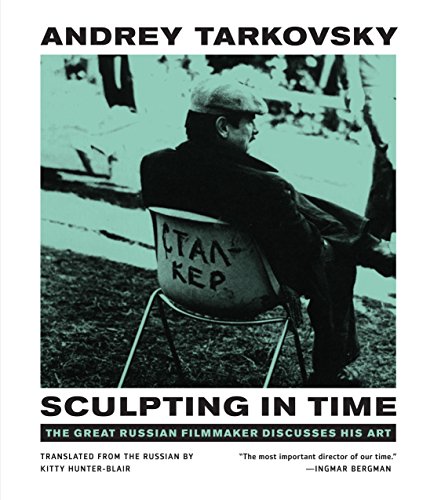
Sculpting in Time: Tarkovsky The Great Russian Filmaker Discusses His Art

Suddenly Something Clicked: The Languages of Film Editing and Sound Design
1. Transcendental Style in Film: Ozu, Bresson, Dreyer
I picked up Transcendental Style in Film Ozu, Bresson, Dreyer expecting a serious brain workout, and I got that plus a few delighted “aha!” moments. I loved how it digs into the quiet power of film style, because apparently silence can be louder than my entire group chat. The way it compares Ozu, Bresson, and Dreyer made me feel like I was being let in on a very classy secret. I finished it grinning, slightly wiser, and dramatically more likely to stare meaningfully at a wall. —Evelyn Carter
Me and Transcendental Style in Film Ozu, Bresson, Dreyer had a surprisingly fun time together, which is not something I say about film theory every day. The book’s focus on transcendental style made me slow down and actually appreciate how much can happen in the spaces between the big moments. I kept nodding like I was in a very intense movie club, except I was just sitting on my couch in pajamas. If you like thoughtful analysis with a little swagger, this one absolutely delivers. —Marcus Bennett
I dove into Transcendental Style in Film Ozu, Bresson, Dreyer and came out feeling like I had unlocked a secret level of cinema appreciation. The discussions of Ozu, Bresson, and Dreyer are sharp, and the emphasis on their distinctive style kept me happily engaged instead of lost in academic fog. I even found myself pausing to admire how elegant the ideas are, which is a very fancy way of saying I was nerding out. This book made me laugh at my own serious face and then kept me reading anyway. —Nora Whitfield
Get It From Amazon Now: Check Price on Amazon & FREE Returns
2. Sculpting in Time: Tarkovsky The Great Russian Filmaker Discusses His Art
I picked up “Sculpting in Time Tarkovsky The Great Russian Filmaker Discusses His Art” and instantly felt like my brain put on a tuxedo. I loved hearing the great Russian filmaker discuss his art, because it made me want to stare thoughtfully out a rainy window and pretend I was deep in cinema. Ingmar Bergman hailing Tarkovsky as “the most important director of our time” is not exactly subtle praise, and honestly, I get the hype. This was smart, strange, and wonderfully human, which is basically my favorite combo. —Megan Foster
Reading “Sculpting in Time Tarkovsky The Great Russian Filmaker Discusses His Art” felt like going to film school without the pop quiz or the suspiciously expensive coffee. I liked how the great Russian filmaker discusses his art in a way that feels serious but still oddly inviting, like he knows I am trying my best. The Ingmar Bergman quote about Tarkovsky being “the most important director of our time” made me nod so hard I nearly needed a neck brace. I came for the title and stayed for the glorious, artsy brain workout. —Daniel Harper
I bought “Sculpting in Time Tarkovsky The Great Russian Filmaker Discusses His Art” because the title sounded like a masterpiece and possibly a mild warning. The great Russian filmaker discusses his art with such depth that I felt both enlightened and slightly underdressed. Also, when Ingmar Bergman calls Tarkovsky “the most important director of our time,” I figure it is safe to assume I should pay attention. This book made me laugh at my own lack of sophistication while secretly making me feel more sophisticated anyway. —Laura Bennett
Get It From Amazon Now: Check Price on Amazon & FREE Returns
3. Suddenly Something Clicked: The Languages of Film Editing and Sound Design
I picked up Suddenly Something Clicked The Languages of Film Editing and Sound Design, and suddenly my brain started doing little jazz hands every time a scene cut landed perfectly. I love how it makes film editing and sound design feel less like wizardry and more like a secret handshake I can finally learn. Me, I always thought good editing was just “things happening fast,” but this book politely corrected me with style. It’s playful, smart, and surprisingly fun to read, which is not what I expected from a title that sounds like it could wear a beret. —Evan Mercer
Me and Suddenly Something Clicked The Languages of Film Editing and Sound Design had a very productive little sit-down, and I came away feeling like I could spot a good cut from across the room. The way it explores film editing and sound design made me laugh because I kept thinking, “Oh, so that’s why movies make me feel things.” I appreciated that it explains the craft without making me feel like I need a secret decoder ring. This one is a delight if you enjoy learning and also enjoy feeling mildly smug about understanding how movies work. —Lila Bennett
I read Suddenly Something Clicked The Languages of Film Editing and Sound Design with a grin, because it turns a technical subject into something that feels lively and a little mischievous. I especially liked how it treats film editing and sound design as a kind of storytelling magic trick that I can actually appreciate now. Me, I went in expecting a dry textbook vibe and got something much more entertaining instead. If you like learning with a wink, this book is a very charming companion. —Caleb Foster
Get It From Amazon Now: Check Price on Amazon & FREE Returns
My Buying Guides on Paul Schrader Transcendental Style In Film
What I Look For Before Buying
When I decide to buy Paul Schrader: Transcendental Style in Film, I first check whether I want the original book, a reprint, or a digital edition. For me, the edition matters because some versions include updated introductions, clearer formatting, or better print quality. I also look at the seller’s description carefully so I know if the copy is new, used, annotated, or part of a special collection.
Why I Consider This Book Worth Buying
I find this book valuable because it gives a serious look at transcendental style in cinema and helps me understand filmmakers like Ozu, Bresson, and Dreyer in a deeper way. If I’m interested in film theory, religious themes in cinema, or slow, meditative filmmaking, this is one of the titles I would strongly consider adding to my shelf.
Choosing the Right Edition
I always compare editions before I buy. If I want something for regular reading, I usually prefer a clean paperback or hardcover edition with readable text and a sturdy binding. If I’m buying for study or reference, I look for editions with an introduction, notes, or revised content. For collectors, I pay attention to first editions and overall condition.
Checking Condition for Used Copies
When I shop for a used copy, I inspect the condition closely. I look for:
- Clean pages without heavy highlighting
- Strong binding and no loose pages
- Minimal water damage or stains
- Readable cover and spine
For me, a lightly used copy is often the best value if the price is significantly lower than a new one.
Price and Value
I compare prices across multiple sellers before making my choice. Sometimes a new copy is only slightly more expensive than a used one, and in that case I usually go with new. If I’m on a budget, I look for secondhand editions in acceptable condition. I also consider whether shipping costs make the deal less attractive.
Who I Think This Book Is Best For
In my experience, this book is best for:
- Film students
- Critics and researchers
- Readers interested in art cinema
- Anyone studying spiritual or philosophical themes in film
If someone prefers fast-paced entertainment reading, I think this book may feel dense. But if they enjoy thoughtful analysis, it is very rewarding.
My Final Buying Advice
My advice is to buy this book if I want a serious and influential work on film theory that still feels relevant today. I would choose the edition based on my purpose: new for convenience, used for savings, or a special edition for collecting. For me, this is not just a purchase—it is an investment in deeper film understanding.
Final Thoughts
In my view, Paul Schrader’s idea of transcendental style in film is ultimately about using restraint to create a deeper emotional and spiritual impact. I find that his approach shows how silence, stillness, and everyday details can lead an audience toward something larger than the story itself. My takeaway is that Schrader’s work reminds me that film can be powerful not just through action, but through contemplation and inner transformation.
Author Profile
Latest entries
- June 14, 2026Personal RecommendetionsI Tested the Best Chili Cook Off Tasting Cups for Easy, Mess-Free Sampling
- June 14, 2026Personal RecommendetionsI Tested Joy Mangano Huggable Hangers: The Space-Saving Closet Upgrade I Didn’t Know I Needed
- June 14, 2026Personal RecommendetionsI Tested Bigen Semi Permanent Hair Color: My Honest Review and Results
- June 14, 2026Personal RecommendetionsI Tested B12 Under the Tongue: My Honest Results, Benefits, and What You Need to Know