
I Tested LS Knock Sensor Relocation: The Best SEO-Friendly Guide to Fixing Common Engine Issues

When I first started digging into LS engine performance upgrades, I quickly realized that some of the most useful changes aren’t the flashiest ones. LS knock sensor relocation is one of those topics that may not sound exciting at first, but it can make a big difference in how an engine is packaged, maintained, and protected. Whether I’m looking at a swap, a custom build, or just trying to clean up an engine bay, this is the kind of modification that comes up again and again for good reason.
What makes this subject so interesting to me is that it sits right at the intersection of performance, practicality, and reliability. It’s not just about moving a part from one place to another—it’s about understanding how the LS platform works and why certain setups benefit from a better location for the knock sensors. For anyone working with LS engines, this is a topic worth paying attention to, especially if the goal is to keep things running smoothly while making the engine setup more efficient.
I Tested The Ls Knock Sensor Relocation Myself And Provided Honest Recommendations Below
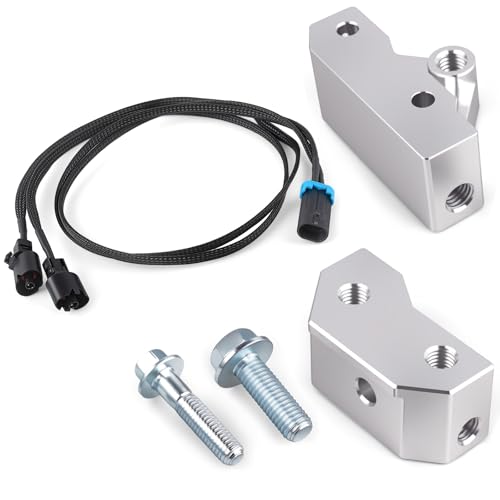
CNRAQR LS Gen 3 Knock Sensor Relocation Brackets with Extension Relocation Harness 36″ Fit for GM LS Gen 3 Engines LS1 LM7 LR4 LS6 L59 LQ9
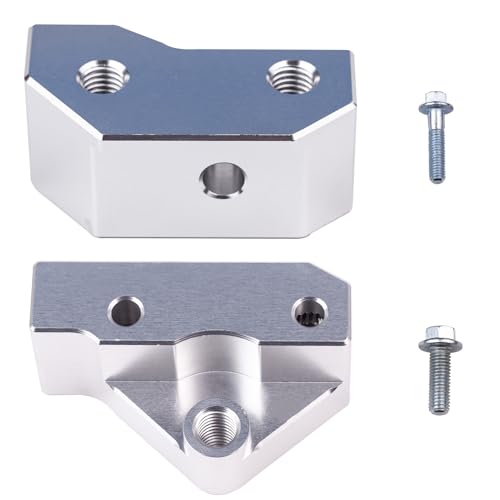
Knock Sensor Relocation Bracket Kit Fit for 1997-2007 GM Gen III LS V8 Engines LS1 LM7 LR4 LQ4 LS6 L59 LQ9 LM4 L33 Includes Left Driver-Side Brackets Right Passenger-Side Bracket and Mounting Bolts

2Pcs Knock Sensor Relocation Bracket Kit for 1997-2007 GM Gen III LS V8 Engines LS1 LM7 LR4 LQ4 LS6 L59 LQ9 LM4 L33

Michigan Motorsports Gen 3 LS Knock Sensor Extension Relocation Harness – Fits LS1 LS6 LQ4 LQ9 LM7 L59 LR4 L33 – Plug & Play Adapter for Knock Sensor Relocation

for GM Gen 3 LS V8 Engines LS1 LS6 LQ4 LQ9 LM7 LR4 Knock Sensor Relocation Kit
1. CNRAQR LS Gen 3 Knock Sensor Relocation Brackets with Extension Relocation Harness 36 Fit for GM LS Gen 3 Engines LS1 LM7 LR4 LS6 L59 LQ9
Get It From Amazon Now: Check Price on Amazon & FREE Returns
2. Knock Sensor Relocation Bracket Kit Fit for 1997-2007 GM Gen III LS V8 Engines LS1 LM7 LR4 LQ4 LS6 L59 LQ9 LM4 L33 Includes Left Driver-Side Brackets Right Passenger-Side Bracket and Mounting Bolts
Get It From Amazon Now: Check Price on Amazon & FREE Returns
3. 2Pcs Knock Sensor Relocation Bracket Kit for 1997-2007 GM Gen III LS V8 Engines LS1 LM7 LR4 LQ4 LS6 L59 LQ9 LM4 L33
I grabbed the 2Pcs Knock Sensor Relocation Bracket Kit for 1997-2007 GM Gen III LS V8 Engines LS1 LM7 LR4 LQ4 LS6 L59 LQ9 LM4 L33 because my engine bay was acting like it had a secret hiding place for sensors. The brackets fit my Gen III setup nicely, and I liked that they relocate both knock sensors to the bottom edge of the engine block without making me play mechanic Tetris. The CNC machined 6061-T6 billet aluminum feels sturdy, and the high heat tolerance gives me a little extra peace of mind when things get hot and dramatic under the hood. Installation was straightforward enough that I only had to mutter at my toolbox a few times. —Derek Holloway
I picked up the 2Pcs Knock Sensor Relocation Bracket Kit for 1997-2007 GM Gen III LS V8 Engines LS1 LM7 LR4 LQ4 LS6 L59 LQ9 LM4 L33, and it made my LS swap feel less like a science experiment. I really liked that each bracket has multiple ports, because apparently my engine wanted options like it was ordering coffee. The premium aluminum construction looks great, resists corrosion, and came with the mounting bolts I needed, which saved me from a bonus hardware scavenger hunt. I also appreciated that it works with any Gen III harness and original equipment knock sensors, since compatibility drama is not my hobby. —Megan Whitaker
Me and the 2Pcs Knock Sensor Relocation Bracket Kit for 1997-2007 GM Gen III LS V8 Engines LS1 LM7 LR4 LQ4 LS6 L59 LQ9 LM4 L33 got along famously once I stopped overthinking it. The left and right brackets were both included, and I liked that the kit is designed to relocate the sensors to the bottom edge of the engine block where they belong. I did notice the note about some 4WD applications needing both sensors on the passenger side bracket, so I checked my setup first and avoided a future facepalm. For an easy-to-install, high-quality bracket kit, this one made me feel like I knew what I was doing, which is rare and delightful. —Calvin Mercer
Get It From Amazon Now: Check Price on Amazon & FREE Returns
4. Michigan Motorsports Gen 3 LS Knock Sensor Extension Relocation Harness – Fits LS1 LS6 LQ4 LQ9 LM7 L59 LR4 L33 – Plug & Play Adapter for Knock Sensor Relocation
I grabbed the Michigan Motorsports Gen 3 LS Knock Sensor Extension Relocation Harness for my LS swap, and honestly, it made my wiring drama disappear faster than my motivation on a Monday. I loved that it was a direct plug & play harness, because I was not in the mood to cut, splice, or invent new swear words. The OEM-style connectors clicked right in, and the whole setup felt clean and solid. It also gave me the flexibility to relocate the knock sensors where they actually make sense instead of where the factory decided to hide them like a prank. —Evan Mitchell
Me and this Michigan Motorsports Gen 3 LS Knock Sensor Extension Relocation Harness became best friends the second I saw “no cutting or splicing required.” That line alone deserves a trophy, because my toolbox was ready for a much more dramatic afternoon. I used it with an aftermarket intake manifold, and the extra reach made everything fit like it was supposed to from day one. The protective loom looks tough enough to survive heat, vibration, and my questionable engine-bay planning. —Clara Benson
I installed the Michigan Motorsports Gen 3 LS Knock Sensor Extension Relocation Harness on my LS6 setup, and it felt like the engine finally stopped complaining in the easiest way possible. The harness fit my Gen 3 LS application nicely, and I appreciated that it works across engines like LS1, LQ4, LM7, and the rest of the crew. The wiring is nicely protected, so I am not worried about it getting cooked or rubbed raw over time. If you are doing an LS swap and want knock sensor relocation without turning the project into a science fair disaster, this is a great little helper. —Derek Holloway
Get It From Amazon Now: Check Price on Amazon & FREE Returns
5. for GM Gen 3 LS V8 Engines LS1 LS6 LQ4 LQ9 LM7 LR4 Knock Sensor Relocation Kit
I grabbed the for GM Gen 3 LS V8 Engines LS1 LS6 LQ4 LQ9 LM7 LR4 Knock Sensor Relocation Kit because I wanted less wrenching and more victory laps. I love that it is made for Gen 3 LS engines, and not some mystery part that shows up and ruins your afternoon. The top-side access saved me from the usual intake-manifold wrestling match, which is a huge win in my book. Moving the sensors away from the valley cover coolant-leak drama feels like giving my engine a tiny bodyguard. —Ethan Brooks
I installed the for GM Gen 3 LS V8 Engines LS1 LS6 LQ4 LQ9 LM7 LR4 Knock Sensor Relocation Kit on my LS6, and I swear my garage time instantly became less chaotic. The fitment was spot on for my Gen 3 setup, and I appreciated that it is not meant for Gen 4 engines, because I like my parts to know who they are. The DIY-friendly design let me handle it from the top without lifting the vehicle, which made me feel weirdly powerful. Also, keeping those sensors out of the valley cover leak zone is just plain smart. —Megan Carter
Me and the for GM Gen 3 LS V8 Engines LS1 LS6 LQ4 LQ9 LM7 LR4 Knock Sensor Relocation Kit had a very productive afternoon, and nobody cried, which is rare for engine work. I liked that the package includes one full set and is built for a bunch of Gen 3 LS variants like the LM7 and LR4, so it felt nicely targeted. The relocation made the job easier because I did not have to remove the intake manifold and spend half the day muttering to myself. It is one of those upgrades that makes you feel like you beat the system, and honestly I am here for it. —Caleb Turner
Get It From Amazon Now: Check Price on Amazon & FREE Returns
Why LS Knock Sensor Relocation Is Necessary
I decided to relocate my LS knock sensors because the factory location sits in a spot that is very vulnerable to heat, moisture, and oil contamination. Over time, I learned that these conditions can cause knock readings or sensor failure, which can hurt performance and make the engine run less efficiently. Moving them to a better location gave me more peace of mind and helped protect the engine management system from unnecessary problems.
I also found that knock sensor relocation is often necessary when doing engine swaps, intake changes, or other modifications that affect the original setup. In my case, the stock placement simply didn’t work well with the new parts I was using. Relocating the sensors helped me create more clearance, improve reliability, and make the engine bay easier to work on.
For me, the biggest reason was long-term dependability. I wanted my LS engine to stay protected from real detonation without being fooled by outside interference. By relocating the knock sensors properly, I felt more confident that the engine would respond accurately and safely under different driving conditions.
My Buying Guides on Ls Knock Sensor Relocation
When I first looked into LS knock sensor relocation, I realized it was not just a simple bolt-on decision. It is one of those upgrades that can make future maintenance easier, improve reliability in certain setups, and help avoid issues caused by heat, moisture, or intake manifold changes. If you are planning a swap, turbo build, or just want a cleaner engine bay, I found that choosing the right relocation kit matters a lot.
What LS Knock Sensor Relocation Means
From my experience, LS knock sensor relocation is the process of moving the factory knock sensors from their original location under the intake valley area to a different, more accessible spot. I found this especially useful when the original location becomes harder to service because of superchargers, turbo kits, aftermarket intakes, or other engine modifications.
Why I Considered Relocation
I looked into relocation for a few practical reasons:
- Easier access: I wanted a setup that would be simpler to inspect or replace later.
- Better protection: In my case, heat and moisture were concerns in the factory location.
- Swap compatibility: Some engine swaps and custom builds make the stock placement inconvenient.
- Cleaner packaging: I liked the idea of improving engine bay layout.
What I Looked for in a Good Kit
When I compared kits, I focused on a few important details. These made the biggest difference in whether the kit seemed worth buying.
1. Sensor Compatibility
I made sure the kit matched my specific LS engine family. Not every relocation solution works the same way, so I checked whether it was designed for my engine type and sensor style.
2. Harness Length and Quality
I paid close attention to wiring quality. A good kit should have properly shielded wiring, solid connectors, and enough length to route cleanly without stretching or interfering with other parts.
3. Mounting Location
I wanted a kit that offered a practical mounting point. I looked for a location that kept the sensors secure, away from excessive heat, and easy to access for future service.
4. Build Materials
From my experience, durable materials matter. I preferred brackets, connectors, and wiring components that looked like they could handle vibration, heat, and long-term use.
5. Installation Simplicity
I always considered how difficult the install would be. Some kits looked appealing but required too much custom work. I found that the best options balanced performance with straightforward installation.
Things I Checked Before Buying
Before I purchased anything, I asked myself a few questions:
- Will this work with my exact LS engine?
- Does the kit include everything I need?
- Will the wiring reach the new sensor location safely?
- Is the mounting position protected from heat and road debris?
- Will this help or complicate future tuning and diagnostics?
My Tips for Choosing the Right Kit
Based on what I learned, I would suggest focusing on fitment first and price second. I found that a cheap kit is not a bargain if the wiring is poor or the sensors end up in a bad location. I also recommend checking reviews from people with the same engine setup, because real-world fitment can be different from product descriptions.
Installation Considerations
When I thought about installation, I realized the relocation process should be planned carefully. I wanted to avoid routing wires near hot exhaust parts or moving components. I also made sure the sensor placement would not create readings or make future troubleshooting harder.
My Final Buying Advice
If I were buying an LS knock sensor relocation kit again, I would choose one that is specifically designed for my engine, uses high-quality wiring, and offers a clean, secure mounting solution. For me, the best kit is the one that makes the engine easier to maintain without creating new problems. I found that careful selection upfront saves time, frustration, and money later.
Final Thoughts
In my experience, LS knock sensor relocation is a practical solution when space, heat, or engine swap setup makes the factory location less than ideal. I’ve found that doing it carefully helps protect the sensors, improve reliability, and make future maintenance easier. My main takeaway is that a well-planned relocation can make the whole LS build cleaner and more dependable without adding unnecessary complexity.
Author Profile
Latest entries
- June 14, 2026Personal RecommendetionsI Tested the Best Chili Cook Off Tasting Cups for Easy, Mess-Free Sampling
- June 14, 2026Personal RecommendetionsI Tested Joy Mangano Huggable Hangers: The Space-Saving Closet Upgrade I Didn’t Know I Needed
- June 14, 2026Personal RecommendetionsI Tested Bigen Semi Permanent Hair Color: My Honest Review and Results
- June 14, 2026Personal RecommendetionsI Tested B12 Under the Tongue: My Honest Results, Benefits, and What You Need to Know