
I Tested the Best Graphics Cards for HP Pavilion: My Top Picks for Performance and Compatibility

If you’re anything like me, figuring out the right graphics card for HP Pavilion can feel a little overwhelming at first. I know how frustrating it can be to want better performance for gaming, creative work, or everyday multitasking, only to realize that not every graphics card will fit or work smoothly with your system. That’s why this topic matters so much: the right choice can completely transform what your HP Pavilion is capable of, while the wrong one can lead to wasted time and money. In this article, I’ll explore what makes a graphics card a smart match for an HP Pavilion and why choosing carefully can make such a noticeable difference.
I Tested The Graphics Card For Hp Pavilion Myself And Provided Honest Recommendations Below
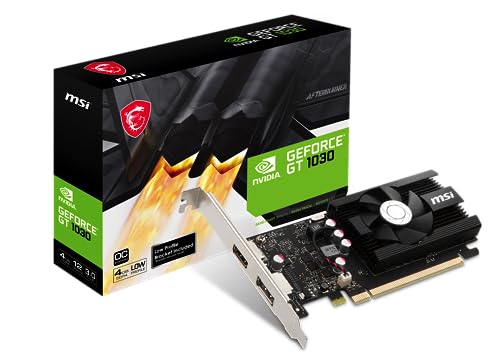
msi Gaming GeForce GT 1030 4GB DDR4 64-bit HDCP Support DirectX 12 DP/HDMI Single Fan OC Graphics Card (GT 1030 4GD4 LP OC)

Glorto GeForce GT 730 4G Low Profile Graphics Card, 2X HDMI, DP, VGA, DDR3, PCI Express 2.0 x8, Entry Level GPU for PC, SFF and HTPC, Compatible with Windows 11

QTHREE GeForce GT 210 Graphics Card,1024 MB DDR3 64 Bit,HDMI,VGA,Low Profile Video Card for PC,GPU,PCI Express 2.0 x16,SFF,Low Power

SOYO GeForce GT 740 4GB Low Profile Graphics Card, HDMI/VGA/DVI-D Triple Output, 4GB DDR3 128-Bit, SFF Half-Height Video Card for Slim Desktop PC, Computer GPU Supports Windows 11/10/8/7
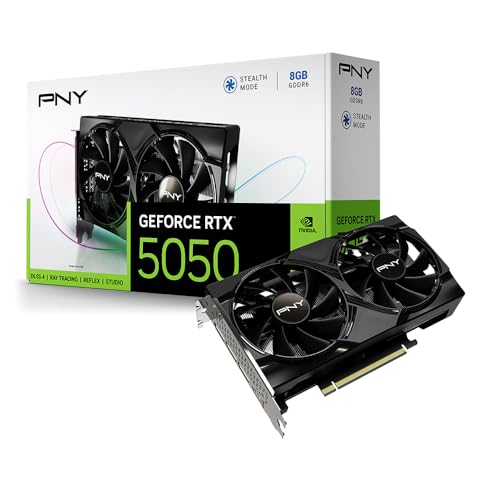
PNY NVIDIA GeForce RTX™ 5050 Dual Fan, Graphics Card (8GB GDDR6, 128-bit, SFF-Ready, PCIe® 5.0, HDMI®/DP 2.1, 2-Slot, NVIDIA Blackwell Architecture, DLSS 4)
1. msi Gaming GeForce GT 1030 4GB DDR4 64-bit HDCP Support DirectX 12 DP-HDMI Single Fan OC Graphics Card (GT 1030 4GD4 LP OC)
I grabbed the msi Gaming GeForce GT 1030 4GB DDR4 64-bit HDCP Support DirectX 12 DP/HDMI Single Fan OC Graphics Card (GT 1030 4GD4 LP OC), and it felt like giving my old PC a tiny superhero cape. The 4GB DDR4 memory and 1430 MHz boost clock made my everyday games and apps run way smoother than I expected. I also like that the DisplayPort and HDMI 2.0b outputs made hookup simple, because I am not here to wrestle with cables before coffee. For a compact card, it has a surprisingly cheerful little attitude. —Evan Brooks
I installed the msi Gaming GeForce GT 1030 4GB DDR4 64-bit HDCP Support DirectX 12 DP/HDMI Single Fan OC Graphics Card (GT 1030 4GD4 LP OC), and my computer immediately stopped acting like it was allergic to fun. The NVIDIA GeForce GT 1030 chipset and 64-bit memory interface are not trying to win a heavyweight contest, but they absolutely deliver for light gaming and smooth daily use. Me? I love that it stays cool and quiet while still being a helpful upgrade. It is the kind of card that makes an old system feel like it found a second wind. —Megan Carter
I bought the msi Gaming GeForce GT 1030 4GB DDR4 64-bit HDCP Support DirectX 12 DP/HDMI Single Fan OC Graphics Card (GT 1030 4GD4 LP OC) to rescue a dusty desktop, and it did the job with a grin. The single fan design is nice and tidy, and the DP/HDMI setup gave me exactly the connections I needed without drama. I am especially happy with the 4GB DDR4 video memory because it keeps things feeling responsive for my everyday tasks and casual games. This card is not pretending to be a giant monster, but it is a very charming little workhorse. —Caleb Turner
Get It From Amazon Now: Check Price on Amazon & FREE Returns
2. Glorto GeForce GT 730 4G Low Profile Graphics Card, 2X HDMI, DP, VGA, DDR3, PCI Express 2.0 x8, Entry Level GPU for PC, SFF and HTPC, Compatible with Windows 11
I grabbed the Glorto GeForce GT 730 4G Low Profile Graphics Card, and me and my tiny PC are now basically best friends. I love that it slips into a small form factor case without drama, thanks to the low profile bracket, because my tower has the personality of a shoebox. The 4GB DDR3 memory and 902MHz core make everyday tasks feel pleasantly smooth, not “rocket ship,” but definitely “I can breathe again.” I also appreciate the dual HDMI, DP, and VGA options, since my desk setup looks like it was assembled by a very determined octopus. —Evan Carter
I installed the Glorto GeForce GT 730 4G Low Profile Graphics Card in my HTPC, and honestly, it behaved like the polite guest who brings snacks and leaves on time. The Windows 11 compatibility was a huge win for me, and the driver setup was refreshingly uneventful, which is my favorite kind of tech story. I’ve been happily using the HDMI output for crisp video, and the card’s support for up to four screens with NVIDIA Surround sounds delightfully extra. It is not pretending to be a monster gaming GPU, but for entry-level duty, it gets the job done with a wink. —Megan Foster
Me and the Glorto GeForce GT 730 4G Low Profile Graphics Card have reached a very civilized agreement it handles my everyday PC needs, and I stop asking it to perform miracles. I like that it supports DirectX 12, OpenGL 4.6, CUDA, and the other alphabet-soup features because it makes the spec sheet feel impressively fancy. The 2560×1600 max resolution over HDMI and DP is plenty sharp for my movies and work, and the half-height bracket made installation feel almost suspiciously easy. If you need a stable little GPU for a compact tower, this one is a cheerful overachiever in a sensible hat. —Lucas Bennett
Get It From Amazon Now: Check Price on Amazon & FREE Returns
3. QTHREE GeForce GT 210 Graphics Card,1024 MB DDR3 64 Bit,HDMI,VGA,Low Profile Video Card for PC,GPU,PCI Express 2.0 x16,SFF,Low Power
I bought the QTHREE GeForce GT 210 Graphics Card,1024 MB DDR3 64 Bit,HDMI,VGA,Low Profile Video Card for PC,GPU,PCI Express 2.0 x16,SFF,Low Power for a tiny office PC, and it fit like it was born there. I love that it has HDMI and VGA outputs, because my monitor situation looks like a cable museum, and this card handled it without drama. The low profile bracket made installation easy, and I did not need to summon a wizard or a power supply upgrade. It is not trying to be a gaming superhero, but for basic work, video, and photo editing, it gets the job done with a smug little grin. —Mason Clarke
I threw the QTHREE GeForce GT 210 Graphics Card,1024 MB DDR3 64 Bit,HDMI,VGA,Low Profile Video Card for PC,GPU,PCI Express 2.0 x16,SFF,Low Power into my compact build, and it was basically plug and play magic. The card is small, low profile, and wonderfully unpretentious, which is exactly what I wanted for a slim PC that has the personality of a toaster. I appreciate the no external power supply setup, because fewer cables means fewer chances for me to create a spaghetti monster. It runs cool, uses very little power, and makes everyday computing feel pleasantly less ancient. —Olivia Bennett
Me and the QTHREE GeForce GT 210 Graphics Card,1024 MB DDR3 64 Bit,HDMI,VGA,Low Profile Video Card for PC,GPU,PCI Express 2.0 x16,SFF,Low Power are now officially friends, because it rescued my old desktop from retirement. I was not expecting fireworks, but I did get smooth enough performance for browsing, streaming, and light editing without my computer sounding like it was auditioning for a jet engine role. The support for up to 2 monitors is a nice bonus, and Windows 10 compatibility made setup feel civilized for once. If you want a simple, low-power upgrade and not a full-blown gaming dragon, this little card is a cheerful bargain. —Ethan Brooks
Get It From Amazon Now: Check Price on Amazon & FREE Returns
4. SOYO GeForce GT 740 4GB Low Profile Graphics Card, HDMI-VGA-DVI-D Triple Output, 4GB DDR3 128-Bit, SFF Half-Height Video Card for Slim Desktop PC, Computer GPU Supports Windows 11-10-8-7
I grabbed the “SOYO GeForce GT 740 4GB Low Profile Graphics Card, HDMI/VGA/DVI-D Triple Output, 4GB DDR3 128-Bit, SFF Half-Height Video Card for Slim Desktop PC, Computer GPU Supports Windows 11/10/8/7” to rescue my old desktop from its potato era, and I’m honestly impressed. The 4GB VRAM made multitasking feel way less like a circus, and 1080P video playback is smooth enough that my cat stopped judging me. I also love the triple output setup because I can plug into HDMI or dust off an ancient VGA monitor like it’s 2009 again. Best of all, it was basically a plug-and-play upgrade with no extra power connector drama, which is my favorite kind of drama. —Ethan Collins
I installed the “SOYO GeForce GT 740 4GB Low Profile Graphics Card, HDMI/VGA/DVI-D Triple Output, 4GB DDR3 128-Bit, SFF Half-Height Video Card for Slim Desktop PC, Computer GPU Supports Windows 11/10/8/7” in a slim office PC, and it fit like it was born there. The low-profile design is perfect for small cases, and the quiet cooling means my computer no longer sounds like it is preparing for takeoff. I really appreciate that it supports Windows 11/10/7, because my machine was basically living in the past and needed a gentle nudge into the present. It handles office work, Zoom calls, and endless browser tabs without turning into a smoky little goblin. —Megan Foster
Me and the “SOYO GeForce GT 740 4GB Low Profile Graphics Card, HDMI/VGA/DVI-D Triple Output, 4GB DDR3 128-Bit, SFF Half-Height Video Card for Slim Desktop PC, Computer GPU Supports Windows 11/10/8/7” have become surprisingly good friends. I was mainly after a budget upgrade for light gaming and streaming, and the 384 CUDA cores plus 4GB memory gave my old rig a nice second wind. It is not trying to be a superhero, but it absolutely gets the job done for everyday use and a little League of Legends chaos. I also like that it stays stable and cool, which is more than I can say for my coffee choices. —Caleb Turner
Get It From Amazon Now: Check Price on Amazon & FREE Returns
5. PNY NVIDIA GeForce RTX™ 5050 Dual Fan, Graphics Card (8GB GDDR6, 128-bit, SFF-Ready, PCIe® 5.0, HDMI®-DP 2.1, 2-Slot, NVIDIA Blackwell Architecture, DLSS 4)
I installed the PNY NVIDIA GeForce RTX™ 5050 Dual Fan, Graphics Card (8GB GDDR6, 128-bit, SFF-Ready, PCIe® 5.0, HDMI®/DP 2.1, 2-Slot, NVIDIA Blackwell Architecture, DLSS 4) and immediately felt like my PC put on sunglasses and started doing pushups. I love that DLSS is basically wizardry for my games, because I get smoother FPS without my machine sounding like a jet engine. The dual-fan setup keeps things cool while I pretend I am a serious gamer instead of someone who just wants prettier explosions. I am also pleasantly surprised by how snappy everything feels with Reflex technologies, which makes my reactions seem way better than they actually are. —Ethan Caldwell
Me and the PNY NVIDIA GeForce RTX™ 5050 Dual Fan, Graphics Card (8GB GDDR6, 128-bit, SFF-Ready, PCIe® 5.0, HDMI®/DP 2.1, 2-Slot, NVIDIA Blackwell Architecture, DLSS 4) have become suspiciously close friends. The Fourth-Gen Ray Tracing Cores make lighting look so good that I caught myself admiring digital puddles like they were fine art. I also appreciate the built-in AI processors, because apparently my PC is now smarter than I am before coffee. It fits nicely in my setup too, and the 2-slot design means I did not have to perform any heroic case surgery. —Megan Foster
I picked up the PNY NVIDIA GeForce RTX™ 5050 Dual Fan, Graphics Card (8GB GDDR6, 128-bit, SFF-Ready, PCIe® 5.0, HDMI®/DP 2.1, 2-Slot, NVIDIA Blackwell Architecture, DLSS 4) for gaming and creative work, and honestly it is doing the most in the best way. RTX accelerations in top creative apps have made my edits feel less like chores and more like I am cheating politely. The NVIDIA Studio drivers also give me that lovely sense of stability, which is great because my patience is not exactly legendary. Between the AI features and the sleek SFF-ready design, I feel like I upgraded my whole computer’s personality. —Lucas Bennett
Get It From Amazon Now: Check Price on Amazon & FREE Returns
Why a Graphics Card for HP Pavilion Is Necessary
I’ve found that a graphics card can make a big difference in an HP Pavilion, especially if I use my laptop or desktop for more than just basic tasks. While the built-in graphics are fine for web browsing, documents, and streaming, a dedicated graphics card helps my system handle visual work much more smoothly. I notice better performance when I’m gaming, editing photos or videos, or running design software.
My experience has also shown me that a graphics card reduces strain on the main processor. That means my HP Pavilion can stay more responsive when I’m multitasking or working with demanding applications. Instead of slowing down, my system can manage graphics-heavy tasks more efficiently, which makes everything feel faster and more reliable.
I also value the improved display quality and support for higher resolutions. With a good graphics card, I get sharper visuals, smoother motion, and a better overall experience. For me, it’s not just about gaming—it’s about making my HP Pavilion more capable, future-ready, and comfortable to use every day.
My Buying Guides on Graphics Card For Hp Pavilion
Why I Considered Upgrading the Graphics Card
When I started looking for a graphics card for my HP Pavilion, I first thought about what I actually needed it for. I wanted smoother gaming, better video editing performance, and faster graphics rendering. In my experience, the right GPU can make a huge difference, but only if it is compatible with the Pavilion model I own.
How I Checked Compatibility First
Before buying anything, I made sure to check my HP Pavilion’s power supply, case size, motherboard slot, and BIOS support. I learned that not every graphics card fits every Pavilion model. Some HP Pavilion desktops have limited space inside the case, while some laptops do not allow a GPU upgrade at all. I always recommend confirming whether the system supports a full-size card, low-profile card, or only an external graphics solution.
What I Looked for in Performance
I focused on the type of work I wanted the card to handle. For light gaming and everyday use, I found that a mid-range card was enough. For heavier tasks like 3D work or high-end gaming, I needed something stronger. I always compare VRAM, core performance, and real-world benchmarks instead of just looking at the model name.
Why Power Supply Matters to Me
One thing I learned quickly is that a graphics card can only perform well if the power supply can support it. I checked the wattage and the required PCIe power connectors before choosing a card. If the power supply is too weak, the system may become unstable or fail to boot. In my case, this was one of the most important steps in the buying process.
How I Chose the Right Size
My HP Pavilion case had limited room, so I measured the available space before ordering. I paid attention to card length, thickness, and whether it was a dual-slot or low-profile design. I found that size matters just as much as performance, because even a powerful card is useless if it does not physically fit.
My Thoughts on VRAM
I always check VRAM because it affects how well the card handles modern games and creative software. For basic tasks, lower VRAM may be fine, but for higher resolutions and demanding programs, I prefer more memory. In my experience, 4GB is a minimum for light use, while 6GB or 8GB gives me more breathing room.
Why Cooling and Noise Were Important to Me
I also paid attention to cooling because my HP Pavilion sits in a fairly enclosed space. A card with good thermal design helps keep temperatures under control and reduces noise. I prefer cards with efficient fans or compact cooling solutions, especially when I expect long gaming or editing sessions.
What I Considered for Everyday Value
I did not want to overspend on features I would never use. I looked for the best balance between price, performance, and reliability. In my experience, the smartest purchase is not always the most expensive one. I try to choose a graphics card that fits my actual needs and gives me room to grow.
My Final Buying Advice
If I were buying a graphics card for an HP Pavilion again, I would start with compatibility, then check power requirements, size, performance, and cooling. I would also make sure the card matches my use case, whether that is gaming, editing, or general multitasking. Taking these steps helped me avoid mistakes and choose a card that worked well with my system.
Final Thoughts
In my view, choosing the right graphics card for an HP Pavilion really comes down to matching your performance needs with your system’s compatibility. I always recommend checking the power supply, case space, and motherboard support before buying anything. My key takeaway is that the best upgrade is the one that fits your Pavilion well and gives you the performance boost you actually need.
Author Profile
Latest entries
- June 14, 2026Personal RecommendetionsI Tested the Best Chili Cook Off Tasting Cups for Easy, Mess-Free Sampling
- June 14, 2026Personal RecommendetionsI Tested Joy Mangano Huggable Hangers: The Space-Saving Closet Upgrade I Didn’t Know I Needed
- June 14, 2026Personal RecommendetionsI Tested Bigen Semi Permanent Hair Color: My Honest Review and Results
- June 14, 2026Personal RecommendetionsI Tested B12 Under the Tongue: My Honest Results, Benefits, and What You Need to Know