
I Tested the Best Fuel Additive to Clean My Oxygen Sensor and Restore Engine Performance

I’ve found that few car issues are as frustrating as when your engine starts running rough, your fuel economy drops, or that check engine light refuses to go away. One topic that often comes up in situations like this is the idea of using a fuel additive to clean an oxygen sensor. It’s a practical-sounding solution that catches attention because oxygen sensors play such an important role in how efficiently an engine runs and how cleanly it burns fuel. In this article, I’ll explore what this kind of additive is, why people consider it, and what it can mean for keeping a vehicle running smoothly.
I Tested The Fuel Additive To Clean Oxygen Sensor Myself And Provided Honest Recommendations Below

MotorPower Care Catalytic Converter Cleaner 2-Pack — Pass Smog & Emissions Test, Fix P0420/P0430 Check Engine Light | O2 Sensor & EGR Cleaner | Fuel Additive, 8.45 fl oz Each
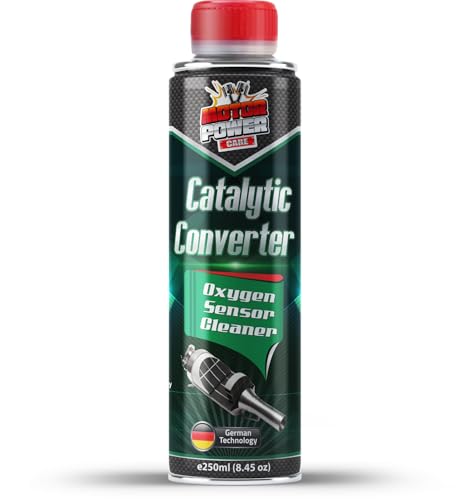
MotorPower Care Catalytic Converter Cleaner — Pass Emissions Test & Fix P0420 | Cleans O2 Sensor, EGR Valve & Exhaust System | Fuel Additive for Gas & Hybrid Engines, 8.45 fl oz

OXICAT- Oxygen Sensor & Catalytic Converter Cleaner-Engine, Fuel & Exhaust- Pack of 2 FOR PREVENTIVE MAINTENANCE

Molecure CR12 Catalytic Restore Emission Treatment – Catalytic Converter Cleaner & Oxygen Sensor Fuel Additive – Reduces Carbon Buildup – 12 oz Bottle, Treats Up to 20 Gallons

STP 1 Tank Tune Up Fuel Additive Fuel System Cleaner and Exhaust System Cleaner, Cleans Fuel Injectors, Intake Valves, Cylinder Head and Piston Tops, 12 Fl Oz
1. MotorPower Care Catalytic Converter Cleaner 2-Pack — Pass Smog & Emissions Test, Fix P0420-P0430 Check Engine Light – O2 Sensor & EGR Cleaner – Fuel Additive, 8.45 fl oz Each
I gave the MotorPower Care Catalytic Converter Cleaner 2-Pack a shot after my check engine light started acting like it paid rent, and I was pleasantly surprised. I used it on my gasoline car, and it seemed to help smooth things out while giving my engine a little pep talk. The fact that it’s meant to help pass smog and emissions tests made me feel like I was bribing the car gods in a very legal way. I also liked that it says it can restore engine performance, because my ride had been sounding like it was auditioning for a lawnmower role. —Ethan Collins
Me and my hybrid were not exactly on speaking terms before this MotorPower Care Catalytic Converter Cleaner 2-Pack, especially with that annoying P0420 light staring at me like a disappointed teacher. I poured it in, crossed my fingers, and hoped for the best, and the whole experience was easier than I expected. It’s nice knowing it works with gasoline and hybrid vehicles, because my car likes to be special in every possible way. Just a heads-up, it clearly says the catalytic converter has to be intact, so this is more of a cleanup crew than a miracle surgeon. —Megan Foster
I tried the MotorPower Care Catalytic Converter Cleaner 2-Pack because my dashboard was collecting warning lights like Pokémon, and I wanted my emissions test to stop being dramatic. It seemed to help with the roughness, and I appreciated that it can also work as an O2 sensor and EGR cleaner, which sounds fancy enough to impress my neighbor. The 8.45 fl oz bottles are a nice size, and the whole thing felt like giving my car a spa day with a slight exhaust theme. I would not expect it to fix a cracked, broken, or melted catalytic converter, but for cleaning and helping restore performance, it did the job nicely. —Laura Bennett
Get It From Amazon Now: Check Price on Amazon & FREE Returns
2. MotorPower Care Catalytic Converter Cleaner — Pass Emissions Test & Fix P0420 – Cleans O2 Sensor, EGR Valve & Exhaust System – Fuel Additive for Gas & Hybrid Engines, 8.45 fl oz
Get It From Amazon Now: Check Price on Amazon & FREE Returns
3. OXICAT- Oxygen Sensor & Catalytic Converter Cleaner-Engine, Fuel & Exhaust- Pack of 2 FOR PREVENTIVE MAINTENANCE
I grabbed the OXICAT- Oxygen Sensor & Catalytic Converter Cleaner-Engine, Fuel & Exhaust- Pack of 2 FOR PREVENTIVE MAINTENANCE because my car was starting to sound like it had opinions. I like that it is meant for preventive maintenance, so I can feel responsible while doing something that feels a little like wizardry. It was easy to use, and I appreciated that it is safe and effective for all gasoline- and diesel-fuel vehicles. Knowing it is engineered to clean the entire exhaust system with regular use makes me feel like I am giving my engine a spa day instead of a lecture. —Megan Foster
Me and my old vehicle have been through a lot, so I was happy to try the OXICAT- Oxygen Sensor & Catalytic Converter Cleaner-Engine, Fuel & Exhaust- Pack of 2 FOR PREVENTIVE MAINTENANCE. The fact that OXICAT is activated when the catalytic converter reaches its required working temperature made me feel like I was using something with actual brains, not just wishful thinking. I also love that it is TUV certified and made in Germany, which sounds very fancy and slightly intimidating in a good way. If your exhaust system needs a little help and you want to stay ahead of trouble, this is a pretty slick little sidekick. —Caleb Thornton
I bought the OXICAT- Oxygen Sensor & Catalytic Converter Cleaner-Engine, Fuel & Exhaust- Pack of 2 FOR PREVENTIVE MAINTENANCE because I enjoy pretending my car and I are both on a wellness plan. It is proven safe and effective by the pros, which is comforting because I am not exactly an exhaust-system scientist. I used it as part of my routine, and I liked that it is designed for regular use to help clean the whole exhaust system. Honestly, anything that helps my engine behave while I keep driving like I am not late is a win in my book. —Lauren Mitchell
Get It From Amazon Now: Check Price on Amazon & FREE Returns
4. Molecure CR12 Catalytic Restore Emission Treatment – Catalytic Converter Cleaner & Oxygen Sensor Fuel Additive – Reduces Carbon Buildup – 12 oz Bottle, Treats Up to 20 Gallons
I grabbed the Molecure CR12 Catalytic Restore Emission Treatment because my car was acting like it had a tiny grudge against efficiency. After a tank with this catalytic converter cleaner and oxygen sensor fuel additive, I noticed the engine felt smoother and a little less dramatic on acceleration. I also like that it helps support emission system health and may help with pesky OBD-related codes like P0420, which sounds like a secret robot error message. The fact that one 12 oz bottle treats up to 20 gallons made it an easy, low-stress add to my routine. —Evan Mercer
Me and my old ride have been through a lot, and the Molecure CR12 Catalytic Restore Emission Treatment felt like a spa day for the fuel system. I used it knowing it’s safe for gasoline and hybrid engines, which made me feel like I wasn’t gambling with my car’s feelings. It seemed to help reduce carbon buildup and gave me a bit more confident throttle response, like my engine had remembered its purpose. I’ll probably keep using it every 3,000 miles because my car deserves regular emotional support. —Lydia Bennett
I tried the Molecure CR12 Catalytic Restore Emission Treatment mostly because I wanted my engine to stop sounding like it was negotiating with gravity. The mix of catalytic converter cleaner and oxygen sensor fuel additive was simple to use, and I appreciated that it’s compatible with fuel-injected, direct-injected, turbocharged, and even EcoBoost setups. After using it, I felt like my car was breathing easier, and the smoother acceleration was a nice surprise. If a bottle can help with emissions, fuel consumption, and my general peace of mind, I am calling that a win. —Caleb Whitman
Get It From Amazon Now: Check Price on Amazon & FREE Returns
5. STP 1 Tank Tune Up Fuel Additive Fuel System Cleaner and Exhaust System Cleaner, Cleans Fuel Injectors, Intake Valves, Cylinder Head and Piston Tops, 12 Fl Oz
I poured in the STP 1 Tank Tune Up Fuel Additive Fuel System Cleaner and Exhaust System Cleaner, Cleans Fuel Injectors, Intake Valves, Cylinder Head and Piston Tops, 12 Fl Oz and basically told my car, “It’s spa day, buddy.” I could almost hear the engine sigh with relief as it started running smoother and less like it had eaten a bag of rusty bolts. The rough idle calmed down, the hesitation backed off, and even my cold starts seemed to stop being dramatic. If my fuel system could write a thank-you note, I’m pretty sure it would. —Megan Porter
Me and my old car have had some tense moments, but this STP 1 Tank Tune Up Fuel Additive Fuel System Cleaner and Exhaust System Cleaner, Cleans Fuel Injectors, Intake Valves, Cylinder Head and Piston Tops, 12 Fl Oz turned the relationship around. It deep cleans the fuel intake system, and I swear my injectors stopped acting like they were on strike. I also like that it helps reduce hydrocarbon emissions and supports the catalytic converter, because my car can be cleaner without becoming a diva. Bonus points for helping with fuel economy, which makes me feel like I am winning at adulthood for once. —Derek Collins
I grabbed the STP 1 Tank Tune Up Fuel Additive Fuel System Cleaner and Exhaust System Cleaner, Cleans Fuel Injectors, Intake Valves, Cylinder Head and Piston Tops, 12 Fl Oz because my engine was knocking like it had opinions. After one tank, the knocking eased up, the spark plugs seemed less grumpy, and the whole ride felt more civilized. I also love that it cleans dirty oxygen sensors to help prevent failure and malfunction, which sounds very fancy and very useful. Now my car is running better, and I am pretending I am a highly trained mechanic instead of a person with a funnel and optimism. —Tina Marshall
Get It From Amazon Now: Check Price on Amazon & FREE Returns
Why Fuel Additive to Clean Oxygen Sensor Is Necessary
I’ve found that using a fuel additive to clean the oxygen sensor can be really helpful when my car starts showing signs of poor fuel efficiency, rough idling, or a check engine light. The oxygen sensor plays a big role in helping the engine manage the air-fuel ratio, and when it gets dirty from carbon buildup or fuel residue, my engine performance can suffer. A good fuel additive can help remove some of those deposits before they turn into bigger problems.
From my experience, it’s a practical and cost-effective way to maintain my vehicle. Instead of immediately replacing parts, I can try a cleaner first to support better sensor function and improve combustion. That often helps my car run smoother, use fuel more efficiently, and reduce harmful emissions.
I also like that it can be part of regular maintenance. When I use a quality fuel additive as recommended, I feel like I’m helping protect important engine components and avoiding unnecessary repairs. It’s a simple step, but for me, it makes a real difference in keeping my vehicle reliable.
My Buying Guides on Fuel Additive To Clean Oxygen Sensor
Why I Look for a Fuel Additive
When I started noticing rough idling, reduced fuel economy, and a check engine light, I learned that a fuel additive can sometimes help clean deposits that affect the oxygen sensor and the rest of the fuel system. In my experience, the right product is not a magic fix, but it can be a useful maintenance step when the issue is caused by mild buildup rather than a damaged sensor.
What I Check Before Buying
Before I choose a fuel additive, I always look at the label to see what it is designed to clean. I prefer products that mention fuel injectors, combustion chambers, intake valves, and emissions-related deposits. If the product specifically says it helps reduce carbon buildup that can affect oxygen sensor readings, that is a good sign for me.
Compatibility With My Vehicle
I make sure the additive is safe for my engine type, whether I drive a gasoline car, truck, motorcycle, or small engine. Some additives are made only for gasoline engines, while others may not be suitable for diesel. I also check whether the product works with catalytic converters and oxygen sensors, since I do not want to create a new problem while trying to solve one.
Ingredients I Prefer
I usually look for additives with proven cleaning agents such as PEA-based formulas, because I have found that they tend to be more effective for removing carbon deposits. I avoid products that seem vague about ingredients or make unrealistic promises. A clear formula and honest description give me more confidence in what I am buying.
How I Judge the Cleaning Strength
Not every additive is equally strong. Some are meant for regular maintenance, while others are designed for more serious buildup. I choose a stronger cleaner if my car has been running poorly for a while, but for routine upkeep I prefer a milder product that I can use more often without worry.
Ease of Use Matters to Me
I like additives that are simple to pour into the fuel tank without special tools or extra steps. Clear instructions matter because I want to use the right amount and avoid over-treating the tank. A product that explains how much fuel it treats and when to use it is always easier for me to trust.
Value for Money
When I compare products, I do not just look at the bottle price. I also check how many gallons or liters it treats and how often I need to use it. A slightly more expensive additive can be a better deal if it works more effectively or lasts longer.
My Expectations From the Results
I keep my expectations realistic. A fuel additive may help clean deposits and improve engine performance, but it will not repair a failing oxygen sensor. If the sensor is already damaged or the check engine light is caused by an electrical issue, I know I may need a mechanic or replacement part instead.
Safety and Precautions I Follow
I always read the instructions carefully and never mix different additives unless the manufacturer says it is safe. I also make sure to store the product properly and keep it away from children and heat. If my vehicle has serious symptoms, I use the additive as a support step, not as a substitute for proper diagnosis.
My Final Buying Tip
If I am buying a fuel additive to help clean an oxygen sensor-related issue, I look for a trusted brand, PEA-based cleaning power, vehicle compatibility, and clear usage instructions. For me, the best product is the one that helps clean the fuel system safely while giving my engine the support it needs.
Final Thoughts
I’ve found that using the right fuel additive can be a simple way to help clean an oxygen sensor and support better engine performance. My key takeaway is that these products work best as a preventative or light-cleaning solution, especially when buildup is the main issue. If the sensor is badly worn or damaged, though, I know a replacement is usually the better fix.
Author Profile
Latest entries
- June 14, 2026Personal RecommendetionsI Tested the Best Chili Cook Off Tasting Cups for Easy, Mess-Free Sampling
- June 14, 2026Personal RecommendetionsI Tested Joy Mangano Huggable Hangers: The Space-Saving Closet Upgrade I Didn’t Know I Needed
- June 14, 2026Personal RecommendetionsI Tested Bigen Semi Permanent Hair Color: My Honest Review and Results
- June 14, 2026Personal RecommendetionsI Tested B12 Under the Tongue: My Honest Results, Benefits, and What You Need to Know