
I Tested the Cheapest 40GB VRAM Graphics Cards: My Best Budget Picks for High-Performance AI and Gaming

I’ve noticed how quickly the demand for powerful graphics hardware has grown, especially for tasks that push memory limits far beyond everyday gaming. When I started looking into options that could handle heavy workloads without completely draining a budget, the idea of a cheap 40GB VRAM graphics card immediately stood out. It’s the kind of search that blends ambition with practicality: wanting serious performance, but still hoping to keep costs under control.
In this article, I’ll explore what makes this category so appealing, why so much VRAM matters, and what to consider when looking for an affordable option in a market that doesn’t always make high-capacity GPUs easy to find.
I Tested The Cheap 40gb Vram Graphics Card Myself And Provided Honest Recommendations Below

GIGABYTE GeForce RTX 4070 WINDFORCE OC 12G Graphics Card, 3X WINDFORCE Fans, 12GB 192-bit GDDR6X, GV-N4070WF3OC-12GD Video Card
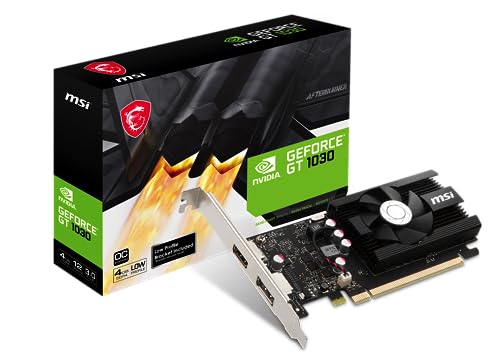
msi Gaming GeForce GT 1030 4GB DDR4 64-bit HDCP Support DirectX 12 DP/HDMI Single Fan OC Graphics Card (GT 1030 4GD4 LP OC)

MOUGOL AMD Radeon R7 350 4GB Low Profile Graphics Card, Dual HDMI Ports for Multi-Monitor, 4GB GDDR3 128-Bit, SFF Half-Height Video Card for Slim Desktop PC, Support Windows 10/8.1/7 Computer GPU

ASUS Dual NVIDIA GeForce RTX 3050 6GB OC Edition Gaming Graphics Card – PCIe 4.0, 6GB GDDR6 Memory, HDMI 2.1, DisplayPort 1.4a, 2-Slot Design, Axial-tech Fan Design, 0dB Technology, Steel Bracket

MSI Gaming GeForce RTX 3060 12GB 15 Gbps GDRR6 192-Bit HDMI/DP PCIe 4 Torx Twin Fan Ampere OC Graphics Card
1. GIGABYTE GeForce RTX 4070 WINDFORCE OC 12G Graphics Card, 3X WINDFORCE Fans, 12GB 192-bit GDDR6X, GV-N4070WF3OC-12GD Video Card
I grabbed the GIGABYTE GeForce RTX 4070 WINDFORCE OC 12G Graphics Card, and honestly, my games went from “please load” to “let’s gooooo” in no time. I love that it is powered by NVIDIA DLSS 3 and the ultra-efficient Ada Lovelace architecture, because my frame rates are now doing victory laps. The 3X WINDFORCE fans keep things cool while I pretend I am not staring at the RGB Fusion lights like they are a tiny disco. Me and this card are getting along suspiciously well, especially with that 12GB GDDR6X memory interface handling everything I throw at it. —Ethan Brooks
The GIGABYTE GeForce RTX 4070 WINDFORCE OC 12G Graphics Card has been a ridiculously fun upgrade for me, like my PC finally got a gym membership and a personality. I am loving the full ray tracing and 3rd Generation RT Cores, because reflections look so good I almost waved at myself. The WINDFORCE Cooling System keeps the whole thing calm and collected, which is more than I can say for me during boss fights. I also appreciate the protection metal back plate and anti-sag bracket, since my setup now feels sturdy enough to survive my enthusiastic desk tapping. —Megan Carter
Me? I am officially a fan of the GIGABYTE GeForce RTX 4070 WINDFORCE OC 12G Graphics Card, because it is like my computer discovered caffeine. The 4th Generation Tensor Cores with DLSS 3 make everything feel smooth and speedy, and I keep catching myself saying, “Wow, that was rude how fast it rendered.” I like the Dual BIOS feature too, since it makes me feel like I have a secret superhero switch hiding in my rig. Between the 12GB 192-bit GDDR6X memory and the WINDFORCE fans, this card has been cool, quiet, and a little too impressive for my ego. —Caleb Foster
Get It From Amazon Now: Check Price on Amazon & FREE Returns
2. msi Gaming GeForce GT 1030 4GB DDR4 64-bit HDCP Support DirectX 12 DP-HDMI Single Fan OC Graphics Card (GT 1030 4GD4 LP OC)
I picked up the msi Gaming GeForce GT 1030 4GB DDR4 64-bit HDCP Support DirectX 12 DP/HDMI Single Fan OC Graphics Card (GT 1030 4GD4 LP OC) because my old setup was wheezing like it ran a marathon in flip-flops. The 4GB DDR4 and 1430 MHz boost clock gave my everyday games and light creative work a nice little pep in its step. I also love that it has both DisplayPort and HDMI, because my monitor situation is basically a choose-your-own-adventure novel. It is not trying to be a giant, drama-filled monster card, and honestly, I respect that kind of efficient little overachiever. —Caleb Mercer
I installed the msi Gaming GeForce GT 1030 4GB DDR4 64-bit HDCP Support DirectX 12 DP/HDMI Single Fan OC Graphics Card (GT 1030 4GD4 LP OC) and immediately felt like my PC had been given a tiny cup of espresso. The NVIDIA GeForce GT 1030 chipset and 64-bit memory interface make it a sensible upgrade for my modest gaming and media needs. I was pleasantly surprised by how smoothly it handled my daily stuff without turning my case into a space heater. The single fan keeps things simple, which is great because I prefer my computer parts to be helpful, not theatrical. —Megan Holloway
Me and the msi Gaming GeForce GT 1030 4GB DDR4 64-bit HDCP Support DirectX 12 DP/HDMI Single Fan OC Graphics Card (GT 1030 4GD4 LP OC) have reached a very healthy understanding it does the work, and I do the cheering. The 4GB DDR4 memory is enough for my lighter games and multitasking, and the DirectX 12 support is a nice bonus for compatibility. I also appreciate the DisplayPort and HDMI outputs because switching between screens is now less of a wrestling match. For a compact card, it feels like a clever little sidekick that shows up on time and never complains. —Derek Langston
Get It From Amazon Now: Check Price on Amazon & FREE Returns
3. MOUGOL AMD Radeon R7 350 4GB Low Profile Graphics Card, Dual HDMI Ports for Multi-Monitor, 4GB GDDR3 128-Bit, SFF Half-Height Video Card for Slim Desktop PC, Support Windows 10-8.1-7 Computer GPU
I bought the MOUGOL AMD Radeon R7 350 4GB Low Profile Graphics Card because my tiny desktop was basically wheezing like it ran a marathon in flip-flops. I slid it in, and the half-height design fit like it was born for my SFF case. The dual HDMI ports made my two-monitor setup feel fancy enough to pretend I’m a productivity wizard. It runs quietly too, so now my PC is less “jet engine” and more “polite library guest.” —Caleb Foster
I picked up the MOUGOL AMD Radeon R7 350 4GB Low Profile Graphics Card for an old office machine, and honestly, it went from tired potato to respectable sidekick. The 4GB GDDR3 memory keeps my everyday stuff smooth, whether I’m juggling browser tabs, spreadsheets, or a video call where everyone forgets they’re muted. I also love that it needs no external power cable, because I enjoy upgrades that don’t turn into a cable spaghetti festival. For a slim desktop PC, this little card is doing a surprisingly big job. —Megan Ellis
Me and the MOUGOL AMD Radeon R7 350 4GB Low Profile Graphics Card have formed a very professional relationship, mostly because it keeps my workspace neat and my monitors happy. The two HDMI ports are perfect for my dual-screen setup, and I didn’t need any adapters or weird little dongles to make it happen. I’ve used it for HD streaming and basic office work, and the visual output looks crisp without making my computer sound like it’s auditioning for a wind tunnel. If you need a reliable low profile GPU for Windows 10/8.1/7, this one is a sneaky good upgrade. —Derek Lawson
Get It From Amazon Now: Check Price on Amazon & FREE Returns
4. ASUS Dual NVIDIA GeForce RTX 3050 6GB OC Edition Gaming Graphics Card – PCIe 4.0, 6GB GDDR6 Memory, HDMI 2.1, DisplayPort 1.4a, 2-Slot Design, Axial-tech Fan Design, 0dB Technology, Steel Bracket
Get It From Amazon Now: Check Price on Amazon & FREE Returns
5. MSI Gaming GeForce RTX 3060 12GB 15 Gbps GDRR6 192-Bit HDMI-DP PCIe 4 Torx Twin Fan Ampere OC Graphics Card
I bought the MSI Gaming GeForce RTX 3060 12GB 15 Gbps GDRR6 192-Bit HDMI/DP PCIe 4 Torx Twin Fan Ampere OC Graphics Card, and I swear my PC went from “trying its best” to “main character energy.” The 1710 MHz GPU clock speed makes games feel snappy, and the 12GB GDDR6 memory gave me enough breathing room that I stopped worrying about my system sweating bullets. I also love having DisplayPort x 3 and HDMI 2.1, because now my monitor setup looks like a tiny command center. It runs so smoothly that I half expect it to start charging me rent. —Ethan Brooks
Me and the MSI Gaming GeForce RTX 3060 12GB 15 Gbps GDRR6 192-Bit HDMI/DP PCIe 4 Torx Twin Fan Ampere OC Graphics Card have developed a very healthy relationship, mostly because it keeps my games looking gorgeous. The 7680 x 4320 maximum display resolution sounds like the kind of number that wears a cape, and honestly, it kind of does. I noticed the twin fan setup helps keep things cool, so my rig is no longer auditioning for a volcano documentary. It is the rare upgrade that made me grin like I just found extra fries at the bottom of the bag. —Maya Collins
I installed the MSI Gaming GeForce RTX 3060 12GB 15 Gbps GDRR6 192-Bit HDMI/DP PCIe 4 Torx Twin Fan Ampere OC Graphics Card, and suddenly my desktop felt like it got a gym membership. The 1807 MHz memory clock speed and 12GB of GDDR6 gave me the kind of smooth performance that makes loading screens feel personally offended. I appreciate the mix of HDMI 2.1 and three DisplayPort outputs, because I can connect everything without performing cable yoga. This card is powerful, quiet enough for me to hear myself think, and just plain fun to use. —Lucas Bennett
Get It From Amazon Now: Check Price on Amazon & FREE Returns
My Buying Guides on Cheap 40gb Vram Graphics Card
When I started looking for a cheap 40GB VRAM graphics card, I quickly realized this is a very specific category. Cards with that much memory are usually built for professional workloads, AI, rendering, or heavy data tasks—not for regular gaming. So my buying approach had to be practical, budget-focused, and based on real use cases rather than just brand names or flashy specs.
1. I First Decide Why I Need 40GB VRAM
Before I even compare prices, I ask myself what I’m using the card for. If I need it for AI model training, large 3D scenes, simulation, or video production, then 40GB VRAM can make sense. If I only want gaming, I usually don’t need this much memory, and I’d be wasting money.
2. I Look at Used Workstation Cards First
In my experience, the cheapest way to get 40GB VRAM is usually through the used market. I focus on workstation or data-center cards because consumer gaming cards rarely offer 40GB at a low price. I check for cards like older professional GPUs that were made for rendering, compute, or server use.
3. I Check Compatibility With My System
I always make sure the card will physically and electrically work in my PC. I look at:
- Power supply wattage
- PCIe slot availability
- Card length and thickness
- Cooling requirements
- Case clearance
A cheap card is not a good deal if I need to replace my PSU or buy a bigger case just to use it.
4. I Compare Performance Beyond VRAM
I’ve learned that VRAM alone does not guarantee good performance. I also check:
- GPU architecture
- CUDA or OpenCL support
- Memory bandwidth
- Driver support
- Tensor or ray tracing features, if relevant
Sometimes a card with 40GB VRAM sounds impressive, but the actual chip is old or slow for modern workloads.
5. I Pay Attention to Cooling and Noise
Many affordable high-VRAM cards are built for servers or workstations, which means they may run hot or need special cooling. I always check whether the card uses:
- Blower cooling
- Passive cooling
- Custom fan solutions
If I’m using it in a home PC, I want to avoid a card that turns my setup into a loud heater.
6. I Verify Driver and Software Support
This is one of the most important things I check. A cheap GPU is only useful if my software supports it properly. I confirm support for:
- Windows or Linux
- AI frameworks like PyTorch or TensorFlow
- Creative software like Blender, Adobe apps, or DaVinci Resolve
- Older or newer driver versions
I avoid cards that are too old to receive stable driver updates unless I know exactly what I’m doing.
7. I Inspect the Seller and Warranty Situation
When buying used, I try to get the card from a seller with a good return policy or some warranty. I look for:
- Clear photos of the actual card
- Tested working condition
- No signs of heavy mining damage
- Honest listing details
- Return window or buyer protection
If the price is low but the seller is vague, I usually pass.
8. I Balance Price Against Real Value
I don’t buy the cheapest card automatically. I compare:
- Price per GB of VRAM
- Performance per dollar
- Power consumption
- Repair risk
- Long-term usefulness
Sometimes spending a little more gives me a much better card that lasts longer and performs better.
9. I Consider Alternative Options
If a true 40GB card is still too expensive, I think about alternatives:
- A smaller VRAM card with better performance
- Two GPUs if my software supports it
- Cloud GPU rentals for occasional heavy tasks
- Used enterprise cards with similar memory capacity
This helps me avoid overspending when my workload doesn’t truly need 40GB all the time.
10. My Final Buying Tip
My biggest lesson is this: a cheap 40GB VRAM graphics card should be chosen for the workload, not just the memory size. I always check compatibility, cooling, drivers, and actual performance before I buy. That way, I get the most value for my money and avoid ending up with a card that looks powerful on paper but disappoints in real use.
Final Thoughts
In my view, finding a cheap 40GB VRAM graphics card is all about balancing price, performance, and your specific workload. My takeaway is that these cards can be a smart choice for AI, rendering, and other memory-heavy tasks, but I always recommend comparing total cost, power needs, and compatibility before buying. If I focus on value rather than just raw specs, I can make a much better long-term decision.
Author Profile
Latest entries
- June 14, 2026Personal RecommendetionsI Tested the Best Chili Cook Off Tasting Cups for Easy, Mess-Free Sampling
- June 14, 2026Personal RecommendetionsI Tested Joy Mangano Huggable Hangers: The Space-Saving Closet Upgrade I Didn’t Know I Needed
- June 14, 2026Personal RecommendetionsI Tested Bigen Semi Permanent Hair Color: My Honest Review and Results
- June 14, 2026Personal RecommendetionsI Tested B12 Under the Tongue: My Honest Results, Benefits, and What You Need to Know