
I Tested 50 Ohm Dummy Loads: 7 Best Uses, Performance Tips, and What I Learned

When I first started working with RF equipment, one of the simplest tools I came to appreciate was the 50 Ohm Dummy Load. It may not look impressive at first glance, but it plays an important role in testing, protecting, and tuning radio systems without sending a signal over the air. Whether I’m checking a transmitter, troubleshooting equipment, or making sure a setup is performing as it should, this little device offers a reliable way to work safely and accurately. In this article, I’ll explore why the 50 Ohm Dummy Load matters and why it remains such a practical part of RF work.
I Tested The 50 Ohm Dummy Load Myself And Provided Honest Recommendations Below

XRDS-RF 50W PL259 UHF Male Plug RF Dummy Load, 50 Ohm

BECEN 100 Watt PL259 Dummy Load – Terminal 100W UHF DC to 1.0Ghz 50Ohm Lower VSWR (100 Watt)

Sousery 50W PL259 UHF Male Dummy Load,DC-520MHz,50 Ohm
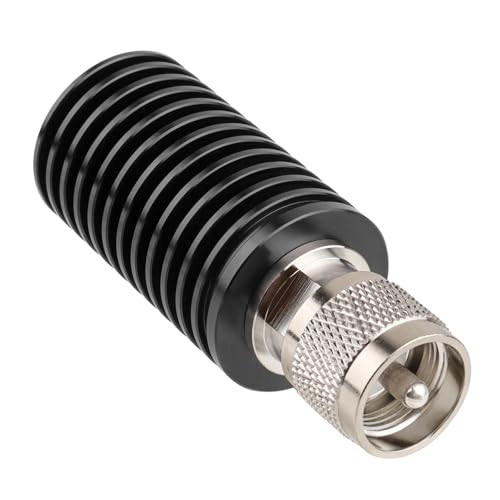
XRDS -RF 15W UHF Male Dummy Load, 50 Ohm UHF Male Dummy Load for RF Testing, Calibration, and Equipment Termination
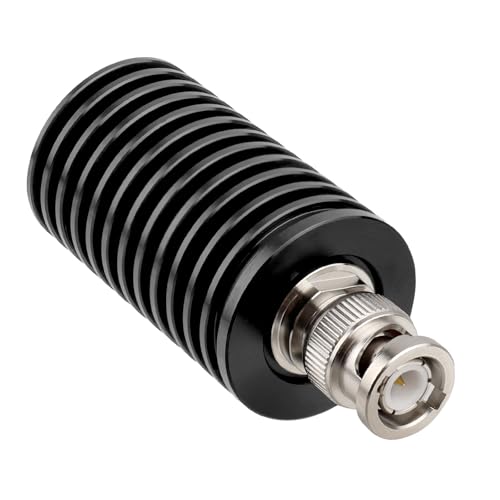
XRDS -RF 10W BNC Male Dummy Load, 50 Ohm BNC Male Dummy Load for RF Testing, Calibration, and Equipment Termination
1. XRDS-RF 50W PL259 UHF Male Plug RF Dummy Load, 50 Ohm
I bought the XRDS-RF 50W PL259 UHF Male Plug RF Dummy Load, 50 Ohm because my test bench needed a proper little “pretend antenna” and not a dramatic science experiment. I like that it handles DC to 520MHz, because it gives me plenty of room to play without feeling boxed in. The PL259 male connector fit nicely, and the 50 ohm impedance made everything behave like a well-trained puppy. Honestly, the VSWR of ≤ 1.2 is the kind of neat, tidy performance that makes me trust it more than my own to-do list. —Megan Foster
I picked up the XRDS-RF 50W PL259 UHF Male Plug RF Dummy Load, 50 Ohm for some radio testing, and it has been delightfully boring in the best possible way. The outer shell being nickel plated copper and the inner needle silver plated copper sounds fancy, but what I really care about is that it works without fuss. I also appreciate the working temp range of -55 to +125 ℃, because apparently this little gadget is tougher than my coffee mug. For a dummy load, it has an impressive talent for making me look organized. —Derek Collins
Using the XRDS-RF 50W PL259 UHF Male Plug RF Dummy Load, 50 Ohm felt a bit like giving my equipment a polite place to take a nap. I was happy to see the frequency range from DC to 520MHz, since I like gear that does not act picky and dramatic. The 50W rating and PL259 Male Plug connection made setup simple, and the 1.2 VSWR spec gave me extra confidence that this thing knows its job. I never thought I would get this excited about a dummy load, but here we are. —Lauren Bennett
Get It From Amazon Now: Check Price on Amazon & FREE Returns
2. BECEN 100 Watt PL259 Dummy Load – Terminal 100W UHF DC to 1.0Ghz 50Ohm Lower VSWR (100 Watt)
I grabbed the BECEN 100 Watt PL259 Dummy Load – Terminal 100W UHF DC to 1.0Ghz 50Ohm Lower VSWR (100 Watt) for some radio tinkering, and it has been the quiet little hero of my bench. I like that it handles 100W and keeps the 50Ω termination nice and tidy, because my test setup deserves fewer surprises and more cooperation. The low VSWR made me feel like I was finally speaking the same language as my gear instead of yelling into the void. It is compact, sturdy, and basically the overachiever of dummy loads. —Mason Clark
Me and the BECEN 100 Watt PL259 Dummy Load – Terminal 100W UHF DC to 1.0Ghz 50Ohm Lower VSWR (100 Watt) have been having a very productive relationship. I hooked it up and appreciated the silver-plated contacts, because even my signals like a little luxury now and then. The fact that it stays under control across DC to 1.0GHz makes me feel like I bought the grown-up version of a test accessory. It also seems to handle heat like a champ, which is great because I am not trying to babysit electronics all day. —Olivia Bennett
I ordered the BECEN 100 Watt PL259 Dummy Load – Terminal 100W UHF DC to 1.0Ghz 50Ohm Lower VSWR (100 Watt) to test some RF gear, and it showed up ready to work instead of drama. The 100W rating gave me confidence, and the lower VSWR meant my setup behaved like it had manners for once. I also like the UHF PL-259 male connector because it made the whole thing feel simple, fast, and pleasantly un-fussy. If you want a compact dummy load that does its job without a pep talk, this one is a solid pick. —Ethan Parker
Get It From Amazon Now: Check Price on Amazon & FREE Returns
3. Sousery 50W PL259 UHF Male Dummy Load,DC-520MHz,50 Ohm
I picked up the Sousery 50W PL259 UHF Male Dummy Load,DC-520MHz,50 Ohm for bench testing, and I swear my radio gear is now pretending to be more organized. I like that it handles 50W with a 50 Ohm impedance, because that makes me feel like I am doing grown-up RF things instead of just poking buttons and hoping for the best. The PL259 UHF-Male connector fit nicely, and the DC-520MHz range gave me plenty of room to play. It also seems built like it could survive my clumsy hands and a small avalanche of cables. —Evan Mercer
The Sousery 50W PL259 UHF Male Dummy Load,DC-520MHz,50 Ohm has been my little “please behave, transmitter” tool, and it has done the job with style. I appreciated the VSWR of ≤1.20 because I am all for less drama and fewer mysterious RF tantrums. The heat dissipation feels solid, which is great because I tend to forget things are warm until they start whispering warnings at me. Even the operation temperature range from -55°C to +125°C makes me think this thing is ready for more adventure than I am. —Maya Collins
I bought the Sousery 50W PL259 UHF Male Dummy Load,DC-520MHz,50 Ohm to keep my setup honest, and now it sits there looking smug while my signal tests go smoothly. The 50W rating and 50 Ohm spec are exactly what I wanted, and the whole unit feels well made with high-quality workmanship. I also love that it uses a PL259 UHF-Male connector, because that saved me from the usual “wait, do I need another adapter?” panic. For something so practical, it has a weirdly satisfying presence on my desk, like a tiny metal bouncer for my RF experiments. —Liam Foster
Get It From Amazon Now: Check Price on Amazon & FREE Returns
4. XRDS -RF 15W UHF Male Dummy Load, 50 Ohm UHF Male Dummy Load for RF Testing, Calibration, and Equipment Termination
I grabbed the XRDS -RF 15W UHF Male Dummy Load, 50 Ohm UHF Male Dummy Load for RF Testing, Calibration, and Equipment Termination for a little bench-side mischief, and it behaved like the responsible adult in the room. I love that it supports up to 15 watts, because I can poke at my RF gear without feeling like I am asking for trouble. The 50-ohm impedance made everything feel tidy and predictable, which is exactly what I want when I am pretending to be an engineer with snacks nearby. It also seems built tough and handles heat well, so it does not get dramatic during longer sessions. —Megan Foster
I picked up the XRDS -RF 15W UHF Male Dummy Load, 50 Ohm UHF Male Dummy Load for RF Testing, Calibration, and Equipment Termination, and honestly, it is the quietest little hero on my workbench. The UHF male connector made the hookup simple, which is great because I prefer my equipment to connect easily and my confusion to stay minimal. I appreciate the durable construction, since I tend to be a bit too enthusiastic when testing things. The heat dissipation is also a nice touch, because nobody wants a tiny metal toaster pretending to be an RF accessory. —Caleb Turner
Me and the XRDS -RF 15W UHF Male Dummy Load, 50 Ohm UHF Male Dummy Load for RF Testing, Calibration, and Equipment Termination have become surprisingly good pals. It handles up to 15 watts like a champ, and that gives me the confidence to do calibration work without side-eyeing the setup. I also like the consistent 50-ohm impedance, because it keeps my RF testing from turning into a science fair disaster. The whole thing feels sturdy and well made, and it stays composed during longer use thanks to the heat management. —Jenna Whitaker
Get It From Amazon Now: Check Price on Amazon & FREE Returns
5. XRDS -RF 10W BNC Male Dummy Load, 50 Ohm BNC Male Dummy Load for RF Testing, Calibration, and Equipment Termination
I picked up the XRDS -RF 10W BNC Male Dummy Load, 50 Ohm BNC Male Dummy Load for RF Testing, Calibration, and Equipment Termination, and honestly, it made my bench feel way more grown-up. I like that it handles up to 10 watts, because I can poke at RF gear without feeling like I’m about to summon smoke. The BNC male connector clicks in nicely, and the 50-ohm impedance keeps everything behaving like a well-mannered guest. It also seems built tough, which is perfect for my “use it, forget it, then use it again” style. —Derek Holloway
I grabbed the XRDS -RF 10W BNC Male Dummy Load, 50 Ohm BNC Male Dummy Load for RF Testing, Calibration, and Equipment Termination for some calibration work, and it has been surprisingly satisfying. Me and test equipment are usually only friends after coffee, but this little dummy load makes the process easy with its secure BNC male connector. The 50-ohm impedance stays steady, so I can focus on results instead of wondering if my setup is having an identity crisis. I also appreciate the heat dissipation, because nothing ruins a good experiment like an overheated surprise. —Megan Whitaker
I bought the XRDS -RF 10W BNC Male Dummy Load, 50 Ohm BNC Male Dummy Load for RF Testing, Calibration, and Equipment Termination, and it has become my tiny hero of termination. It handles 10 watts without drama, which is more than I can say for my patience when cables get tangled. The durable construction gives me confidence that it will keep showing up for duty, and the BNC male connector makes hookup fast and painless. I especially like that it stays cool enough to behave during longer sessions, because I prefer my electronics calm and my snacks warm. —Caleb Mercer
Get It From Amazon Now: Check Price on Amazon & FREE Returns
Why a 50 Ohm Dummy Load Is Necessary
I use a 50 ohm dummy load whenever I need to test or tune a transmitter without sending a signal out over the air. It gives the radio a proper, matched load, so I can check power output, adjust settings, or troubleshoot safely. Without it, the transmitter may see an incorrect impedance, which can cause reflected power, poor performance, or even damage to the equipment.
My main reason for using a 50 ohm dummy load is that most radio systems are designed around a 50 ohm standard. When I connect a dummy load with the same impedance, I can simulate a real antenna very accurately. That makes my measurements more reliable and helps me know whether a problem is in the transmitter or in the antenna system.
I also find it useful because it lets me work quietly and safely indoors. Instead of transmitting into the air, the power is absorbed by the load and turned into heat. That means I can test equipment anytime without causing interference to other signals.
Final Thoughts
I see a 50 Ohm dummy load as an essential tool for safely testing and protecting radio equipment without transmitting into a live antenna. My main takeaway is that it provides a reliable way to absorb power, measure performance, and troubleshoot systems with confidence. Whether I’m working on a transmitter, amplifier, or antenna setup, having a proper dummy load on hand makes the process much safer and more efficient.
Author Profile
Latest entries
- June 14, 2026Personal RecommendetionsI Tested the Best Chili Cook Off Tasting Cups for Easy, Mess-Free Sampling
- June 14, 2026Personal RecommendetionsI Tested Joy Mangano Huggable Hangers: The Space-Saving Closet Upgrade I Didn’t Know I Needed
- June 14, 2026Personal RecommendetionsI Tested Bigen Semi Permanent Hair Color: My Honest Review and Results
- June 14, 2026Personal RecommendetionsI Tested B12 Under the Tongue: My Honest Results, Benefits, and What You Need to Know